
Migraines vs. Headaches Tests for Accurate Diagnosis

When it comes to headaches, there’s often confusion between the terms “headache” and “migraine.” Although both conditions cause head pain, they are different in terms of symptoms, triggers, and the way they are diagnosed. Understanding the distinction between these two is crucial for proper diagnosis and treatment. MCV Blood test article will provide a clear comparison between migraines and headaches, explaining the differences, the types of tests used to diagnose each, and how these tests help in providing effective treatment. The goal is to provide you with the knowledge you need to navigate this complex topic and understand how accurate diagnosis plays a key role in managing these conditions.
Understanding Migraines and Headaches
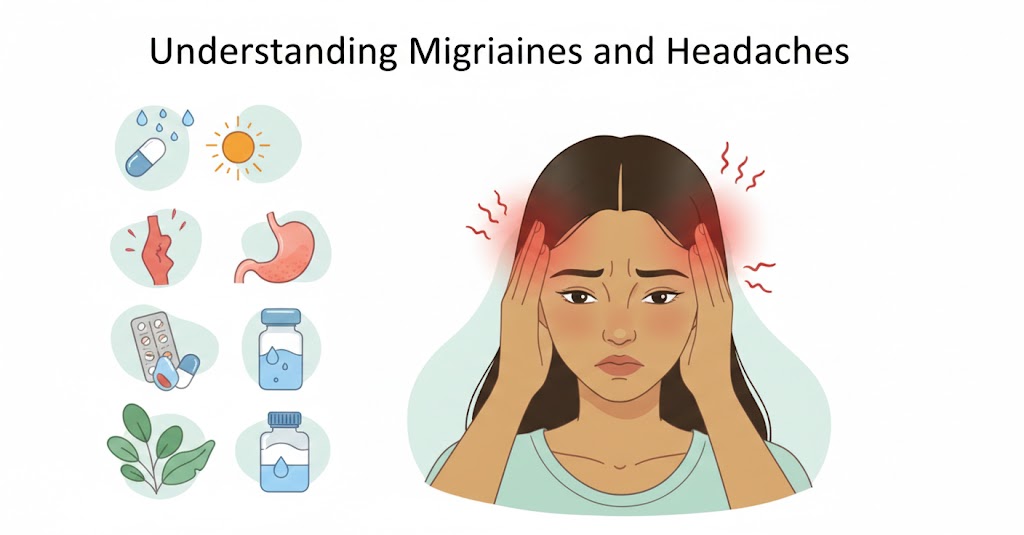
Before we discuss the tests involved, it’s important to first distinguish between migraines and other types of headaches.
Headaches can be categorized into several types, with tension headaches being the most common. These are typically caused by stress or muscle tension in the neck and scalp. On the other hand, migraines are a specific type of headache often characterized by severe, throbbing pain on one side of the head. Migraines can be debilitating and are frequently accompanied by other symptoms like nausea, vomiting, and sensitivity to light and sound.
Tension Headaches
- These are the most common type of headache.
- They usually cause mild to moderate pain on both sides of the head.
- The pain is often described as a dull, pressing sensation.
- They can last from 30 minutes to several days.
Cluster Headaches
- Cluster headaches are less common but tend to cause intense pain around one eye.
- They occur in “clusters,” meaning they happen frequently over a period of weeks or months, often followed by remission periods.
- The pain is sharp, burning, or stabbing.
Migraines
- Migraines are usually more severe and are often experienced as throbbing or pulsating pain on one side of the head.
- They are associated with a range of symptoms, including nausea, vomiting, and sensitivity to light and sound.
- Migraines can last anywhere from a few hours to several days.
It is important to note that migraines are not just stronger headaches. They are a neurological condition that requires proper diagnosis and management.
Differences Between Migraines and Other Headaches
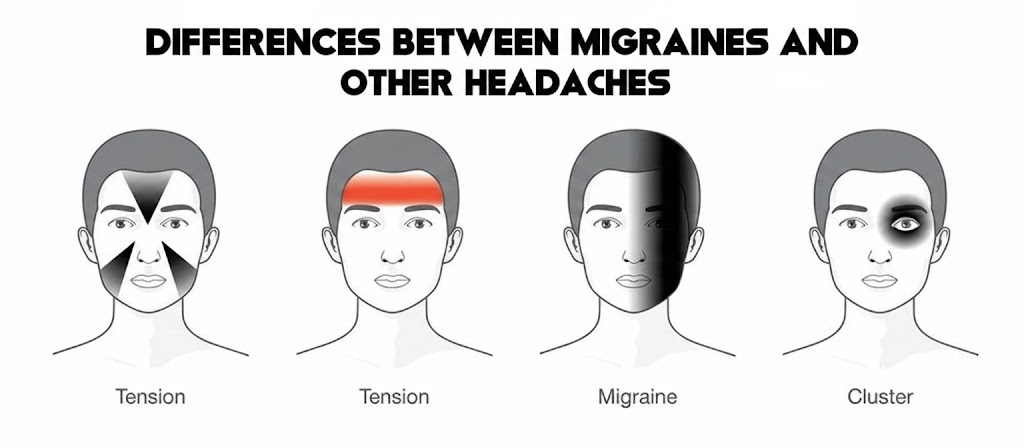
The symptoms of migraines are typically more severe and disruptive than those of regular headaches. Migraines may involve additional symptoms, which can help doctors differentiate them from other types of headaches.
Symptoms of Migraines
- Throbbing or pulsating pain: Usually on one side of the head.
- Sensitivity to light and sound: Commonly referred to as photophobia and phonophobia.
- Nausea or vomiting: Often accompanies the pain.
- Aura: Some individuals experience visual disturbances before the pain starts, such as flashes of light or blind spots.
Symptoms of Tension Headaches
- Dull, constant pain: Often described as feeling like a tight band around the head.
- Tenderness in the scalp, neck, or shoulders.
- Mild to moderate pain: Not usually as severe as migraines.
- No nausea or vomiting: Unlike migraines, tension headaches do not cause these symptoms.
Common Tests for Diagnosing Headaches and Migraines

Given the complexity of headaches and migraines, accurate diagnosis is essential for proper treatment. Doctors use various methods to diagnose these conditions, starting with a comprehensive medical history and physical examination. Depending on the symptoms and severity, further testing may be required.
Physical and Neurological Examination
The first step in diagnosing any headache or migraine involves a detailed medical history. A doctor will ask about the frequency, intensity, and type of pain you experience. They will also inquire about your lifestyle, stress levels, and any family history of similar conditions.
The doctor will also perform a neurological examination to assess the function of your nervous system.
This involves testing reflexes, muscle strength, coordination, and sensation.
A neurological exam is especially important in identifying any underlying conditions that may be contributing to the headaches, such as brain tumors or other neurological disorders.
Blood Tests
Blood tests may be used to rule out other conditions that could be causing headaches, such as infections, anemia, or inflammation. These tests are not typically used to diagnose migraines but can help identify any other underlying health issues that may be contributing to headache symptoms.
Some common blood tests include:
- Complete blood count (CBC): To check for infections, anemia, or inflammation.
- Thyroid function tests: To rule out thyroid problems.
- Electrolyte levels: To check for imbalances that may cause headaches.
Imaging Tests
Imaging tests are often used when the cause of the headaches is unclear or when neurological symptoms are present. These tests can provide a clearer picture of the brain and its structures, helping to identify any abnormalities.
Magnetic Resonance Imaging (MRI):
- MRI is commonly used to look for structural issues in the brain, such as tumors, aneurysms, or brain malformations.
- It provides detailed images of soft tissues and is particularly useful in identifying issues that might not show up on a CT scan.
Computed Tomography (CT) Scan:
- A CT scan is often used in emergency situations to look for bleeding or brain injuries.
- It provides detailed images of the brain and is typically faster than an MRI.
Electromyography (EMG)
Electromyography (EMG) is used to detect problems in the muscles and nerves that might be causing tension headaches. EMG measures the electrical activity in muscles and nerves and can help identify conditions such as muscle tension or nerve compression.
Sinus X-Rays
If a doctor suspects that your headaches are due to sinus issues, they may recommend sinus X-rays. These can help detect sinus infections or blockages in the sinuses, which can sometimes cause headache-like symptoms.
Headache Diary
One of the most effective tools in diagnosing migraines and other types of headaches is a headache diary. In this diary, patients are asked to record the frequency, duration, and intensity of their headaches. They may also track potential triggers, such as stress, certain foods, or environmental factors. This detailed record can help healthcare providers identify patterns and make a more accurate diagnosis.
Specialized Tests for Migraines
There are no specific laboratory tests to diagnose migraines. However, several specialized tests can be used to confirm the diagnosis and rule out other conditions.
MRI or CT Scan for Migraines
As mentioned earlier, MRI or CT scans may be used to rule out other causes of headache, especially if the migraine symptoms are unusual or if there are neurological symptoms such as visual disturbances or weakness. These imaging techniques help doctors ensure that the cause of the headache is not related to an underlying brain disorder.
Electroencephalogram (EEG)
Although EEG is not commonly used for migraine diagnosis, it may be recommended in certain cases, particularly if the patient has seizures or unusual neurological symptoms. EEG records the brain’s electrical activity and can help detect abnormal brain waves that might suggest a neurological condition.
Genetic Testing
Some studies have suggested that genetics may play a role in the development of migraines. Genetic testing could potentially be used in the future to identify people at higher risk for migraines or to tailor treatment plans. However, this testing is not yet a standard part of migraine diagnosis.
The International Classification of Headache Disorders (ICHD)
The ICHD provides a standardized system for diagnosing headaches and migraines. Doctors use the ICHD criteria to classify and diagnose migraines based on specific symptoms and their frequency. This system helps ensure that migraines are diagnosed accurately and consistently.
Treatment Plans Following Diagnosis
Once a proper diagnosis is made, a treatment plan can be developed to manage the symptoms and reduce the frequency of headaches or migraines. The treatment plan will vary depending on the type of headache and its underlying causes. For migraines, treatment may involve medication, lifestyle changes, and avoiding triggers. Some common treatment options include:
- Medications: Pain relievers such as ibuprofen, acetaminophen, or prescription medications specifically for migraines.
- Preventative Medications: Medications like beta-blockers, antidepressants, or anticonvulsants can be used to reduce the frequency of migraines.
- Lifestyle Changes: Reducing stress, regular sleep patterns, hydration, and avoiding known triggers.
- Alternative Therapies: Acupuncture, physical therapy, and relaxation techniques may also help manage headache symptoms.
Guide for Managing Headaches and Migraines
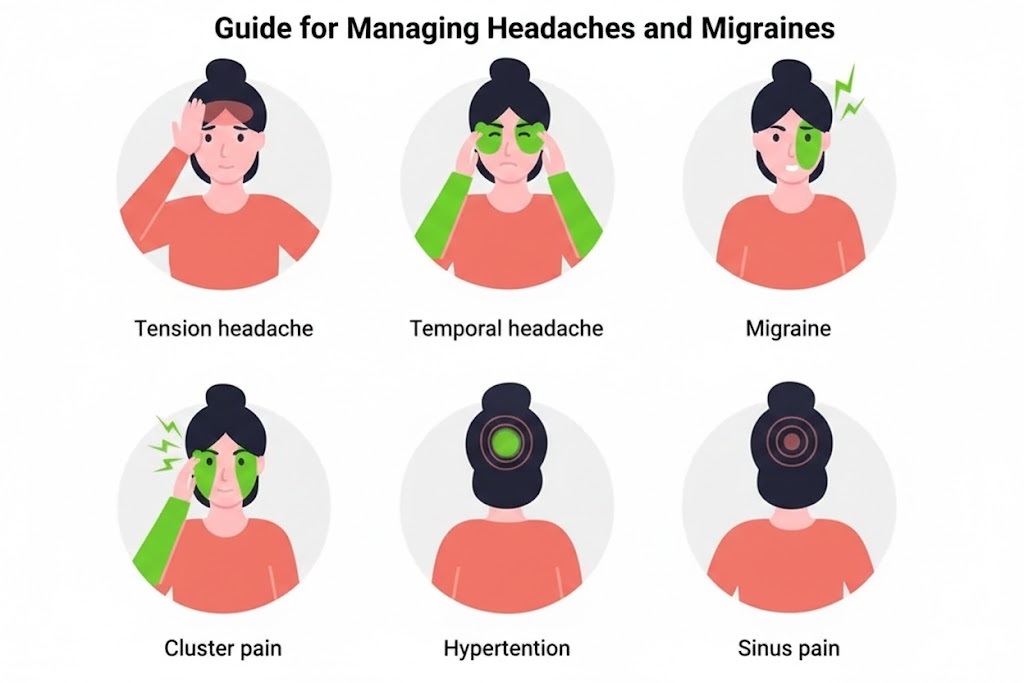
While medical treatment is crucial for managing migraines and headaches, lifestyle changes can also make a big difference in reducing their frequency and severity.
- Track Triggers: Keep a headache diary to help identify triggers such as certain foods, stress, or environmental factors.
- Maintain a Regular Sleep Schedule: Try to go to bed and wake up at the same time every day.
- Stay Hydrated: Dehydration can trigger headaches, so make sure to drink plenty of water.
- Practice Stress-Relief Techniques: Yoga, meditation, and breathing exercises can help reduce stress and prevent tension headaches.
- Limit Caffeine: Excessive caffeine consumption can trigger migraines, so it’s important to monitor intake.
Conclusion
Migraines and other types of headaches are common, but they are not the same. Understanding the differences between them is essential for proper diagnosis and treatment. If you experience frequent or severe headaches, it’s important to see a healthcare provider who can perform the necessary tests to determine the cause of your symptoms. With the right diagnosis and treatment plan, most people with headaches or migraines can manage their condition effectively and improve their quality of life. Always consult with your healthcare provider for personalized advice and treatment options.