
13 Common Heart Diseases Know Common Medical Names

Heart disease remains one of the leading health concerns worldwide. As healthcare information becomes more accessible, I believe everyone should understand the most common heart conditions, their symptoms, and why early diagnosis matters.
Many heart diseases develop gradually and may not show obvious warning signs in the beginning. That’s why awareness plays such an important role in prevention and treatment.
In this guide, I’ll explain 13 common heart diseases in simple terms to help you better understand your heart health and know when it’s time to seek medical attention.
Medical Disclaimer: This article is for educational purposes only and should not replace professional medical advice, diagnosis, or treatment. Always consult a qualified healthcare provider regarding any health concerns.
What Is Heart Disease?
Heart disease is a broad term that refers to conditions affecting the heart’s structure, function, blood vessels, or electrical system. Some heart diseases are present at birth, while others develop over time due to genetics, lifestyle factors, infections, or underlying medical conditions.
Understanding these conditions can help individuals recognize symptoms early and take preventive measures.
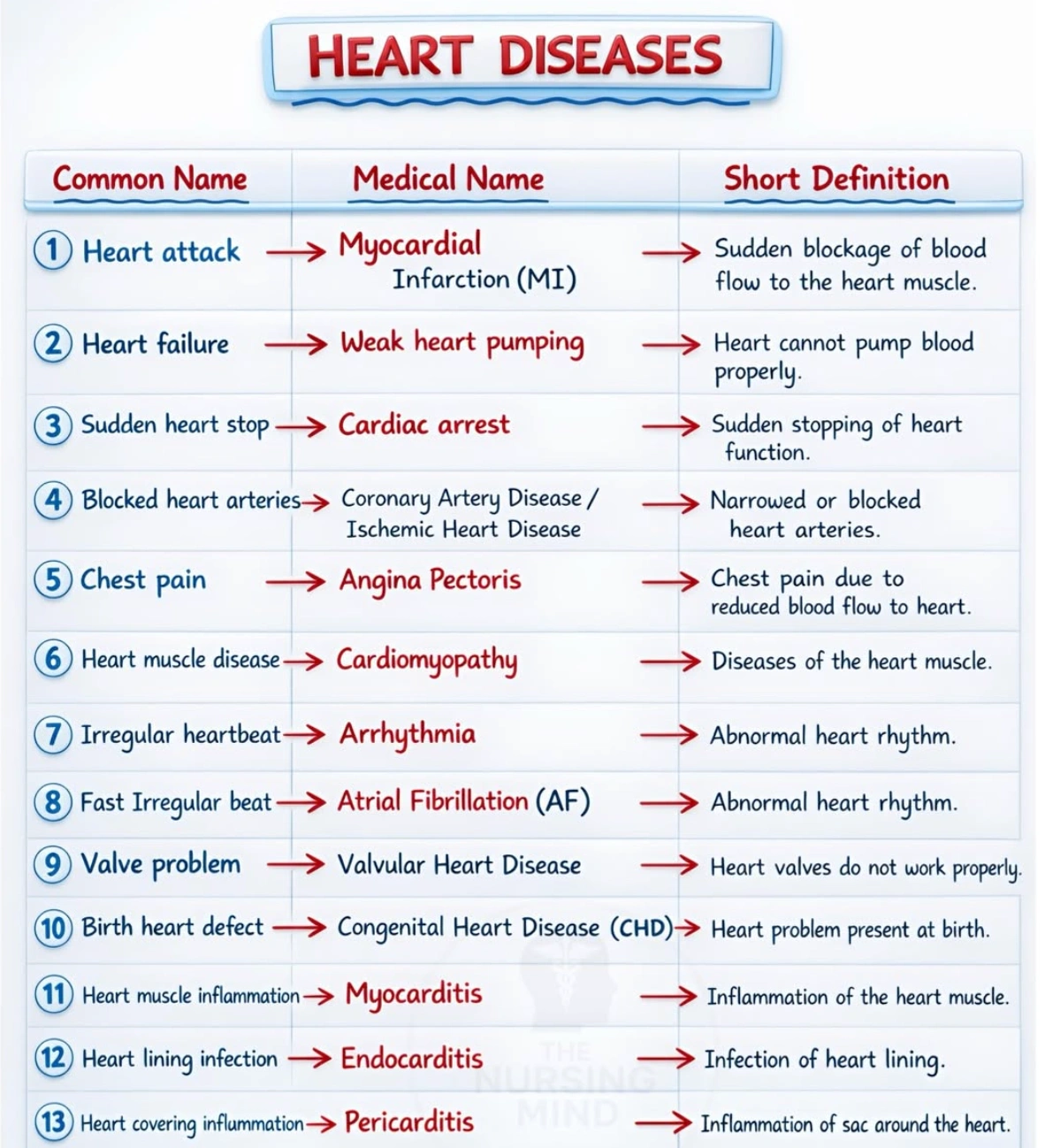
1. Heart Attack (Myocardial Infarction)

A heart attack occurs when blood flow to part of the heart muscle becomes blocked, usually due to a blood clot or buildup of plaque in the coronary arteries.
Common Symptoms
- Chest pain or pressure
- Pain radiating to the arm, neck, jaw, or back
- Shortness of breath
- Cold sweats
- Nausea
- Dizziness
Why It Matters
Without immediate treatment, heart muscle damage can become permanent. Rapid medical attention significantly improves outcomes.
2. Heart Failure
Heart failure does not mean the heart has stopped working. It means the heart cannot pump blood efficiently enough to meet the body’s needs.
Common Symptoms
- Shortness of breath
- Swelling in the legs and ankles
- Persistent fatigue
- Rapid heartbeat
- Difficulty exercising
Risk Factors
- High blood pressure
- Coronary artery disease
- Diabetes
- Previous heart attack
3. Cardiac Arrest
Cardiac arrest is a sudden loss of heart function caused by an electrical malfunction in the heart.
Warning Signs
- Sudden collapse
- No pulse
- Loss of consciousness
- No breathing
Why Immediate Action Is Critical
Cardiac arrest is a medical emergency. CPR and defibrillation can dramatically improve survival chances if performed quickly.
4. Coronary Artery Disease (CAD)
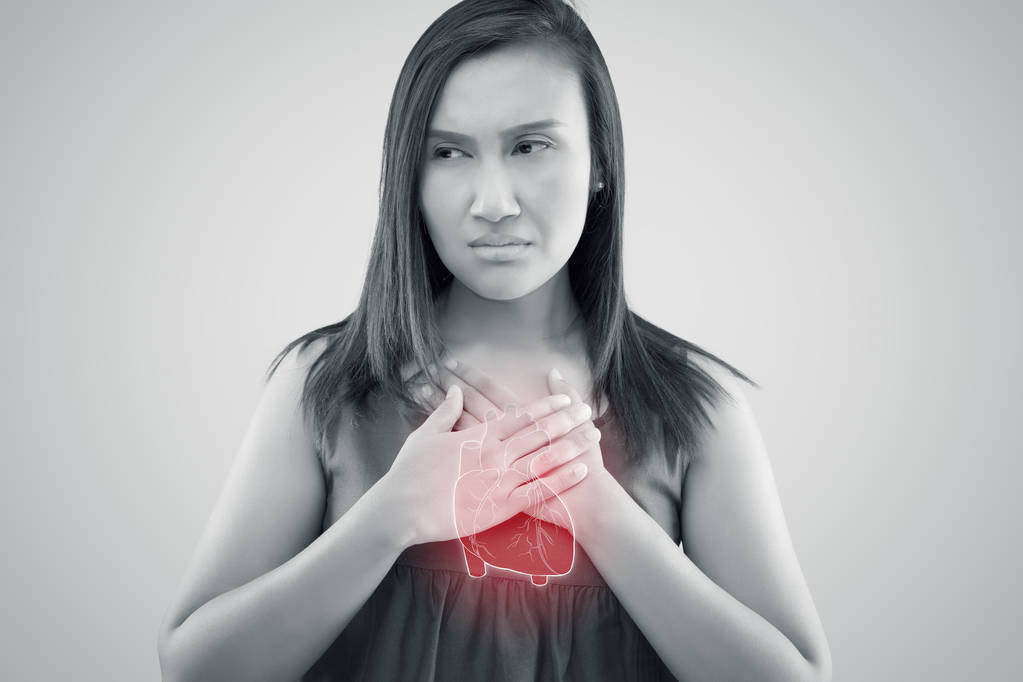
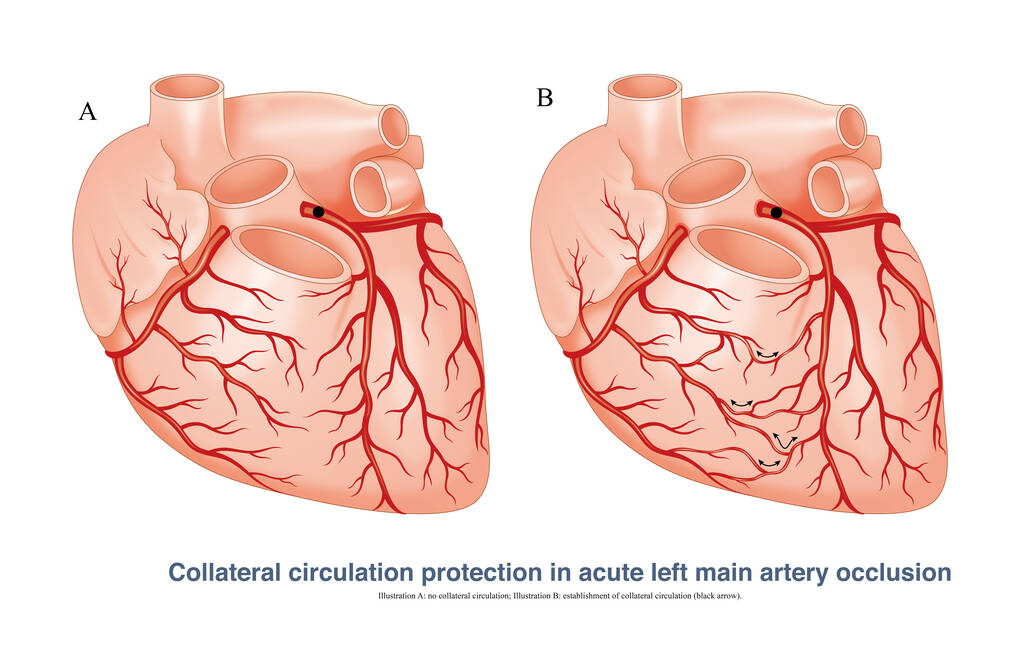
Coronary artery disease develops when arteries supplying blood to the heart become narrowed or blocked due to plaque buildup.
Symptoms
- Chest discomfort
- Fatigue
- Shortness of breath
- Reduced exercise tolerance
Prevention Tips
- Avoid smoking
- Exercise regularly
- Maintain healthy cholesterol levels
- Control blood pressure
5. Angina Pectoris
Angina is chest pain caused by reduced blood flow to the heart muscle.
What It Feels Like
Many people describe angina as:
- Tightness in the chest
- Pressure
- Squeezing sensation
- Burning discomfort
Angina is often a warning sign of underlying coronary artery disease.
6. Cardiomyopathy
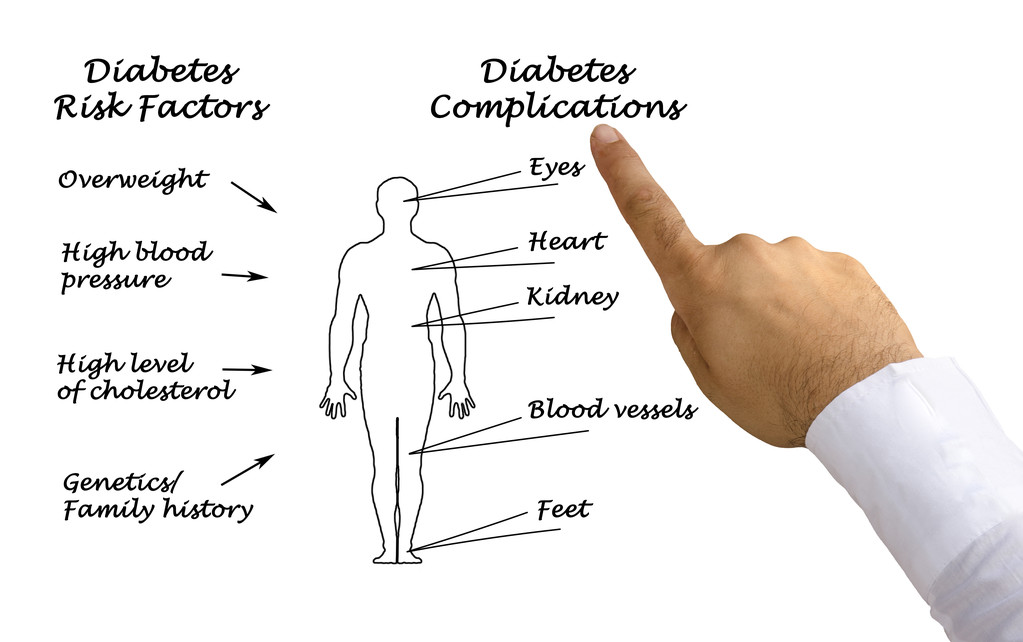
Cardiomyopathy refers to diseases affecting the heart muscle itself.
When the heart muscle becomes enlarged, thickened, or weakened, it may struggle to pump blood effectively.
Possible Symptoms
- Fatigue
- Dizziness
- Shortness of breath
- Swollen legs
- Irregular heartbeat
Causes
- Genetic conditions
- Viral infections
- Long-term high blood pressure
- Certain medications
7. Arrhythmia
An arrhythmia is an abnormal heart rhythm.
The heart may beat:
- Too fast
- Too slow
- Irregularly
Common Symptoms
- Heart palpitations
- Dizziness
- Fainting
- Fatigue
- Shortness of breath
Some arrhythmias are harmless, while others require medical treatment.
8. Atrial Fibrillation (AFib)

Atrial fibrillation is one of the most common types of arrhythmia.
In AFib, the upper chambers of the heart beat irregularly, disrupting normal blood flow.
Symptoms
- Rapid heartbeat
- Fluttering sensation in the chest
- Weakness
- Fatigue
- Lightheadedness
Why AFib Is Important
AFib increases the risk of stroke and should be evaluated by a healthcare professional.
9. Valvular Heart Disease
Heart valves control the direction of blood flow through the heart.
When one or more valves fail to open or close properly, blood flow becomes disrupted.
Types of Valve Problems
- Stenosis (narrowing)
- Regurgitation (leakage)
- Prolapse
Common Symptoms
- Fatigue
- Shortness of breath
- Chest discomfort
- Heart murmurs
10. Congenital Heart Disease
Congenital heart disease refers to structural heart abnormalities present at birth.
Some defects are mild and require little treatment, while others may need surgery or ongoing medical care.
Examples
- Septal defects
- Valve abnormalities
- Complex structural defects
Early Diagnosis Matters
Many congenital heart conditions can be successfully managed with modern medical care.
11. Myocarditis
Myocarditis is inflammation of the heart muscle.
It is often linked to viral infections but can also result from autoimmune diseases and certain medications.
Symptoms
- Chest pain
- Fatigue
- Shortness of breath
- Irregular heartbeat
Potential Complications
Severe myocarditis can weaken the heart and lead to heart failure.
12. Endocarditis
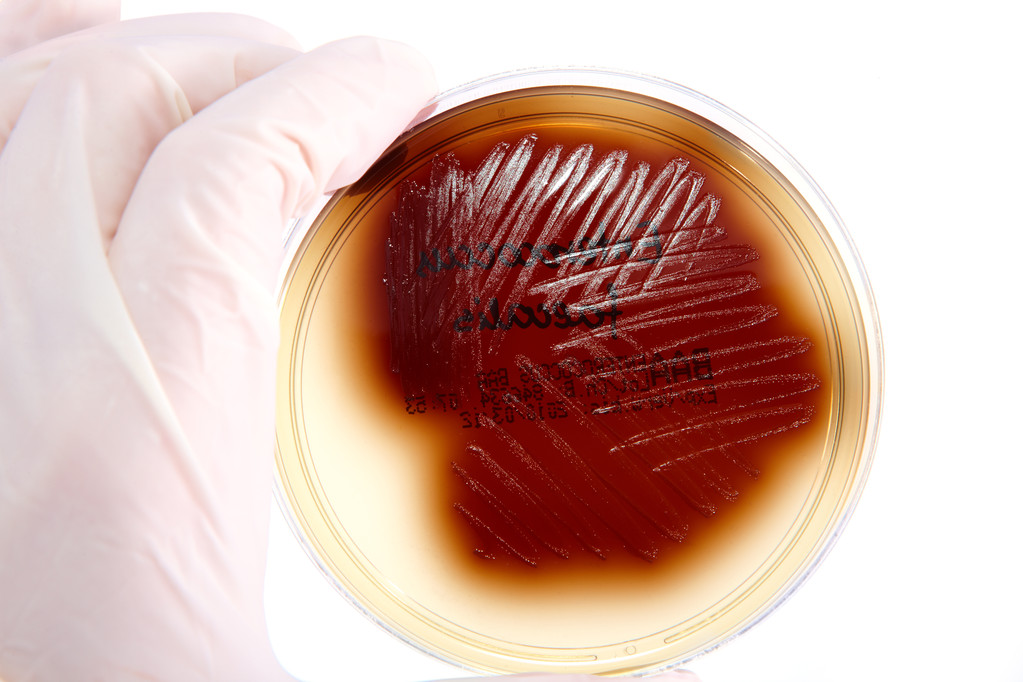
Endocarditis is an infection affecting the inner lining of the heart and heart valves.
Risk Factors
- Artificial heart valves
- Congenital heart defects
- Intravenous drug use
- Previous heart infections
Symptoms
- Fever
- Chills
- Fatigue
- Heart murmurs
Prompt treatment is essential to prevent serious complications.
13. Pericarditis
Pericarditis occurs when the sac surrounding the heart becomes inflamed.
Common Symptoms
- Sharp chest pain
- Pain that worsens when lying down
- Fever
- Fatigue
Causes
- Viral infections
- Autoimmune conditions
- Post-heart attack inflammation
- Certain medications
Most cases improve with appropriate medical treatment.
How to Protect Your Heart Health
While some heart diseases cannot be completely prevented, many risk factors can be managed through healthy lifestyle choices.
I always recommend focusing on the fundamentals:
Eat a Heart-Healthy Diet
Choose:
- Fruits and vegetables
- Whole grains
- Lean proteins
- Healthy fats
Limit:
- Processed foods
- Excess sugar
- High-sodium meals
Stay Physically Active
Aim for regular exercise as recommended by your healthcare provider.
Avoid Tobacco
Smoking significantly increases the risk of cardiovascular disease.
Manage Chronic Conditions
Keep conditions such as:
- High blood pressure
- Diabetes
- High cholesterol
under proper medical control.
Schedule Regular Checkups
Routine health screenings can identify problems before symptoms become severe.