
What your poo (stool) says about your health and Warning Signs


Your poo can tell you a lot about your digestion and general health. Its colour, shape, texture, smell, and how often you go can change because of food, water, stress, medicines, illness, or bowel problems.
Most changes are not serious and settle on their own. For example, green poo may happen after eating leafy greens, and hard poo may happen when you do not drink enough fluids or eat enough fibre.
But some changes should not be ignored. Blood in your poo, black poo, very pale poo, ongoing diarrhoea, ongoing constipation, or a sudden change in your normal bowel habit should be checked by a doctor.
What your poo (stool) says and Warning Signs
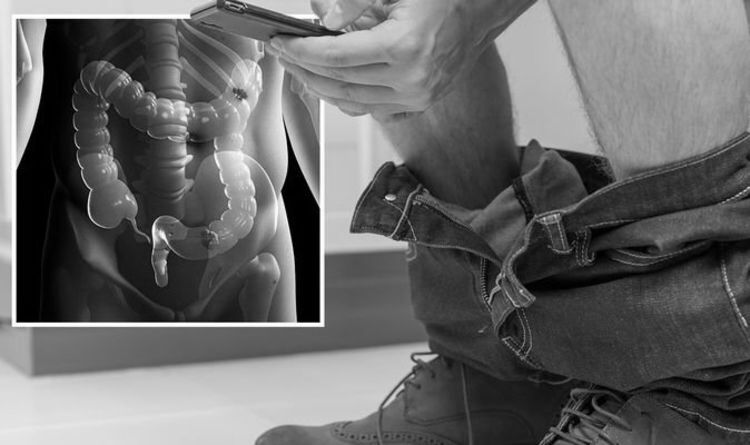
Healthy poo is usually medium brown, soft, formed, and easy to pass. It should not be very hard, very watery, or painful to pass.
A healthy bowel habit is not the same for everyone. Some people go once a day. Others go a few times a week. What matters most is what is normal for you.
| Healthy sign | What it means |
|---|---|
| Medium brown colour | Bile and normal digestion help give poo this colour |
| Soft and formed | Usually means good fluid and fibre balance |
| Easy to pass | You should not need to strain hard |
| Regular for you | Your pattern should be mostly steady |
| No blood | Blood should always be taken seriously |
A single change after a meal is usually not a problem. A change that keeps happening needs more attention.
What does the shape of your poo mean?
Doctors often use the Bristol Stool Chart to describe poo shape. It has 7 types, from hard lumps to watery stool.
| Stool type | What it may mean |
| Separate hard lumps | Constipation |
| Lumpy sausage shape | Mild constipation |
| Sausage shape with cracks | Usually normal |
| Smooth soft sausage or snake | Usually normal |
| Soft blobs | May be moving through quickly |
| Mushy stool | May suggest diarrhoea |
| Watery stool | Diarrhoea |
Types 3 and 4 are often seen as the easiest and healthiest to pass. Types 1 and 2 often mean constipation. Types 6 and 7 often mean diarrhoea.
What does hard poo mean?
Hard poo often means constipation. It may come out as small lumps, dry pieces, or a hard lumpy stool.
You may also notice:
Straining
Pain when passing stool
Feeling blocked
Feeling like you have not fully emptied your bowel
Going less often than usual
Bloating or stomach discomfort
Common causes include not drinking enough fluids, eating too little fibre, low activity, stress, travel, holding poo in, or some medicines.
What can help hard poo at home?
Simple changes can often help mild constipation.
You can try:
Drink more water
Eat more fibre from fruit, vegetables, beans, oats, and whole grains
Move your body daily
Do not ignore the urge to go
Try sitting on the toilet at the same time each day
Rest your feet on a small stool while sitting on the toilet
Avoid straining for a long time
If constipation does not improve, keeps coming back, or comes with pain or blood, speak with a doctor.
What does loose or watery poo mean?
Loose or watery poo is usually called diarrhoea. It can happen because food moves through the bowel too quickly.
Common causes include:
A stomach infection
Food poisoning
Stress or anxiety
Food intolerance
Too much caffeine
Some medicines
Irritable bowel syndrome
Inflammation in the gut
Diarrhoea can cause dehydration, especially in babies, older people, and people who are already unwell.
What can help diarrhoea at home?
Most mild diarrhoea improves with rest and fluids.
Helpful steps include:
Drink plenty of fluids
Take small sips often
Eat simple foods if you feel hungry
Avoid very greasy foods for a short time
Avoid alcohol
Wash your hands well
Stay home if you may have an infection
Call a doctor if diarrhoea lasts more than a few days, contains blood, causes severe pain, or comes with signs of dehydration.
What does brown poo mean?
Brown poo is usually normal. Poo gets its brown colour from bile, which helps digest fat.
The shade can change from light brown to dark brown depending on food, water, and how fast stool moves through the bowel.
Brown poo that is soft, formed, and easy to pass is usually a good sign.
What does green poo mean?
Green poo is often linked to food or fast digestion.
Possible causes include:
Leafy green vegetables
Green food colouring
Iron supplements
Diarrhoea
Food moving quickly through the bowel
Green poo is usually not serious if you feel well and it goes away. If it comes with ongoing diarrhoea, fever, pain, or dehydration, get medical advice.
What does yellow poo mean?
Yellow poo can sometimes happen after eating fatty foods or food with yellow colouring. But yellow, greasy, very smelly poo may mean your body is not digesting fat well.
Possible causes include:
High-fat meals
Stomach infection
Problems absorbing fat
Gallbladder or pancreas problems
Some gut conditions
Speak with a doctor if yellow poo is ongoing, oily, hard to flush, or comes with weight loss, pain, or tiredness.
What does very pale or clay-coloured poo mean?
Very pale, grey, or clay-coloured poo can happen when there is not enough bile reaching the stool. This can sometimes be linked to liver, gallbladder, or bile duct problems.
You should call a doctor if pale poo continues or comes with:
Yellow skin or eyes
Dark urine
Itchy skin
Pain in the upper right side of the belly
Fever
Feeling very unwell
Do not ignore pale stool if it keeps happening.
What does black poo mean?
Black poo can happen after taking iron tablets, some medicines, or eating very dark foods. But black, sticky, tar-like poo can be a sign of bleeding higher up in the digestive system.
You should get urgent medical advice if your poo is black and you also have:
Dizziness
Weakness
Vomiting blood
Stomach pain
Shortness of breath
Very tired feeling
No clear food or medicine reason
Black stool should be checked, especially if it looks tar-like or has a strong unusual smell.
What does red poo mean?
Red poo can happen after eating red foods, such as beetroot or foods with red colouring. But red poo can also mean blood.
Blood may look bright red, dark red, or mixed into the stool. It may also be seen on toilet paper or in the toilet water.
Possible causes include:
Piles
Small tears near the anus
Constipation
Bowel infection
Inflammation
Bowel polyps
Bowel cancer
Not all blood means cancer, but blood in poo should be checked by a doctor.
What does mucus in poo mean?
A small amount of mucus can be normal. Mucus helps stool move through the bowel.
More mucus than usual may happen with:
Constipation
Diarrhoea
Irritable bowel syndrome
Bowel infection
Inflammation in the gut
Call a doctor if mucus keeps happening or comes with blood, pain, fever, weight loss, or a big change in bowel habit.
What does very smelly poo mean?

Poo normally has a smell. A stronger smell can happen after certain foods, infection, or diarrhoea.
Very foul-smelling poo that keeps happening may be linked to:
Food intolerance
Gut infection
Poor fat absorption
Some bowel conditions
Changes in gut bacteria
If the smell changes for a short time after food, it is usually not serious. If it lasts and comes with pain, diarrhoea, weight loss, or greasy stool, speak with a doctor.
How often should you poo?
There is no perfect number for everyone. Some people poo 1 to 3 times a day. Others go 3 times a week.
A healthy pattern means:
You go regularly for you
The stool is not too hard or too watery
You do not have strong pain
You do not need to strain a lot
You do not see blood
A sudden change in how often you go is more important than the exact number.
What can change your poo?
Many normal things can change poo colour, smell, shape, and timing.
Common causes include:
| Cause | How it may affect poo |
| Low fibre | Hard stool or constipation |
| Not enough water | Dry, hard stool |
| More fibre suddenly | Gas, bloating, or softer stool |
| Stress | Diarrhoea or constipation |
| Travel | Slower bowel movement |
| Medicines | Constipation, diarrhoea, or colour change |
| Infection | Loose stool, cramps, fever |
| Food colours | Green, red, or darker stool |
Keeping a short record can help you see patterns.
When should I call a doctor about poo changes?
You should call a doctor if you notice a change that is new, ongoing, or unusual for you.
Get medical advice if you have:
Blood in your poo
Black or dark red poo
Very pale poo that continues
Diarrhoea that does not improve
Constipation that does not improve with self-care
Severe tummy pain
Vomiting with bowel symptoms
Fever with diarrhoea
Weight loss without trying
Feeling very tired or short of breath
A sudden change in bowel habit
Feeling like you still need to poo after going
If symptoms last for 3 weeks or more, it is important to speak with a doctor, especially if your bowel habit has changed.
When is it urgent?
Some symptoms need urgent help.
Get urgent medical advice if you have:
Black tar-like poo
Bloody diarrhoea
Severe belly pain
A swollen belly with vomiting
Cannot pass poo or gas
Signs of dehydration
Fainting or severe weakness
Heavy bleeding from the bottom
These symptoms can mean something more serious is happening.
How can I keep my bowel healthy?
Healthy daily habits can support better bowel movement.
Helpful steps include:
Eat more fibre slowly
Drink enough water
Move your body often
Do not hold poo in for too long
Limit very processed foods
Sleep well when possible
Manage stress
Use medicines only as advised
Know what is normal for you
If you add fibre too quickly, you may get gas or bloating. Add it slowly and drink more fluids.
Summary
Your poo can give useful clues about your health. Healthy poo is usually brown, soft, formed, and easy to pass.
Hard, dry poo may mean constipation. Watery poo may mean diarrhoea. Green poo is often linked to food or fast digestion. Pale poo, black poo, or red poo may need medical advice.
You should call a doctor if you see blood, have black or dark red poo, have ongoing diarrhoea or constipation, lose weight without trying, or notice a bowel change that lasts.
Most poo changes are not serious, but knowing your normal pattern can help you spot when something is wrong.