
How Will I Know If I’m Going Through Perimenopause?

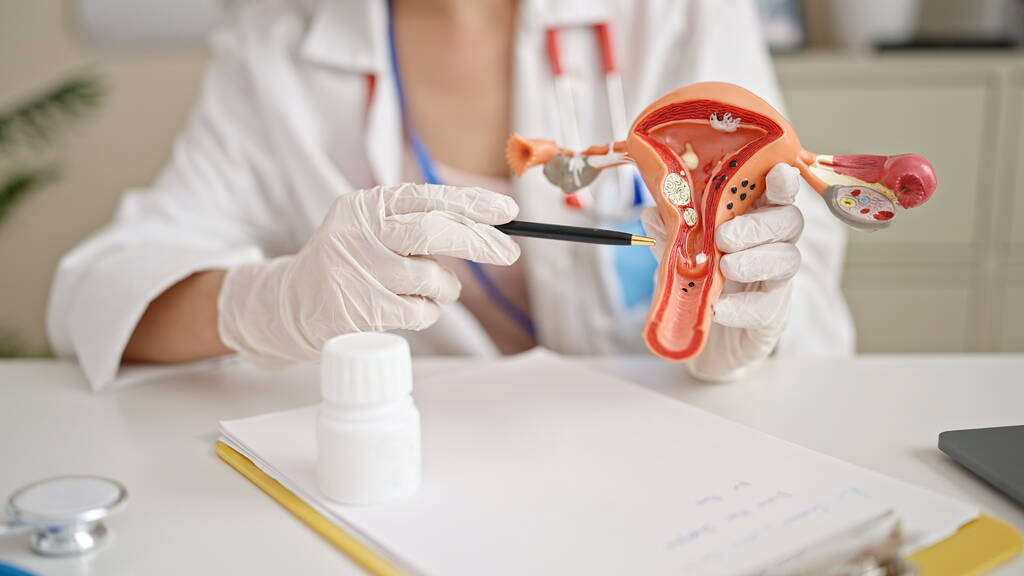
You may be going through perimenopause if your periods start changing and you also notice symptoms such as hot flashes, night sweats, poor sleep, mood changes, brain fog, or vaginal dryness.
Perimenopause is the time before menopause. During this time, your hormone levels rise and fall. These hormone changes can affect your periods, body temperature, sleep, mood, skin, joints, and energy.
The first sign is often a change in your monthly cycle. Your period may come earlier, later, heavier, lighter, or it may skip some months. Some people also feel different before they notice any clear period changes.
Perimenopause can start at different ages. Many people notice symptoms in their 40s, but some notice changes earlier or later.
What are the first signs of perimenopause?
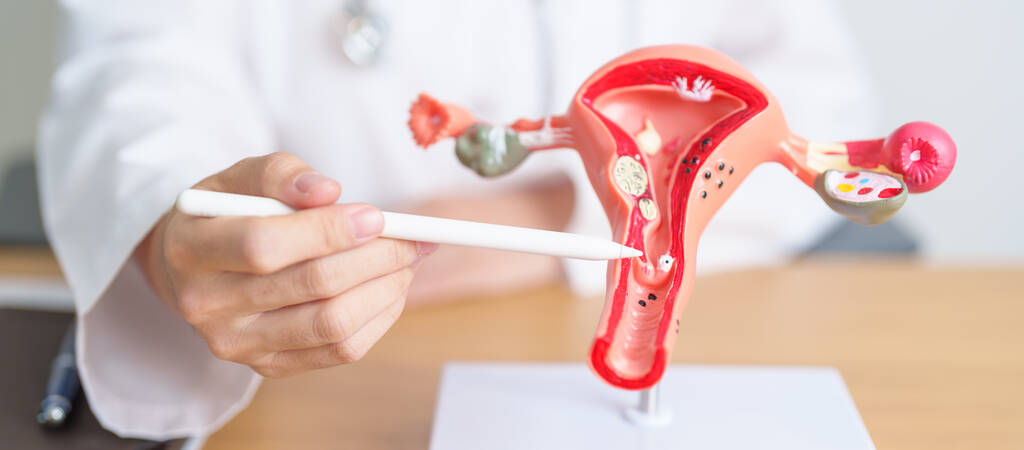
The first signs can be mild. You may not know right away that they are linked to perimenopause.
Common early signs include:
| Sign | What you may notice |
|---|---|
| Period changes | Periods may become closer together, farther apart, heavier, or lighter |
| Hot flashes | Sudden waves of heat in the face, neck, or chest |
| Night sweats | Sweating during sleep, sometimes enough to disturb sleep |
| Poor sleep | Waking often or finding it hard to fall asleep |
| Mood changes | Feeling more anxious, low, angry, or tearful than usual |
| Brain fog | Trouble focusing, remembering words, or feeling mentally slow |
| Vaginal dryness | Dryness, soreness, or discomfort |
| Lower energy | Feeling tired even after sleep |
Not everyone has the same symptoms. Some people have many symptoms. Others have only a few.
How do periods change during perimenopause?
Period changes are one of the most common signs of perimenopause.
Your periods may:
Come earlier than usual
Come later than usual
Become heavier
Become lighter
Last longer
End sooner
Skip some months
Become less predictable
In early perimenopause, periods may come closer together. Later, they may become farther apart. You may skip one month and then have a period again the next month.
A simple pattern may look like this:
| Change | What it can mean |
| Cycle changes by several days | Hormones may be shifting |
| Periods come closer together | Often seen earlier in perimenopause |
| Periods are 60 days or more apart | May happen later in perimenopause |
| No period for 12 months | This is usually menopause, not perimenopause |
If you go 12 months without a period, you have usually reached menopause. Perimenopause ends after menopause begins.
Can perimenopause cause hot flashes and night sweats?

Yes. Hot flashes and night sweats are common during perimenopause.
A hot flash can feel like sudden heat spreading through your face, neck, chest, or upper body. Your skin may look flushed. You may sweat or feel your heart beating faster.
Night sweats are hot flashes that happen during sleep. They can wake you up and make it harder to rest.
Helpful tips may include:
Keep your bedroom cool
Wear light sleep clothes
Use layers you can remove
Avoid very spicy food if it triggers symptoms
Limit caffeine late in the day
Try slow breathing when a hot flash starts
If hot flashes or night sweats affect your daily life, speak with a doctor. Treatments are available.
Can perimenopause affect mood?
Yes. Hormone changes during perimenopause can affect mood. Poor sleep can also make mood symptoms worse.
You may notice:
More anxiety
Low mood
Irritability
Crying more easily
Feeling less patient
Mood swings before your period
Feeling overwhelmed more quickly
These feelings are real and should not be ignored. Perimenopause can be a difficult time for some people, especially if symptoms affect sleep, work, family life, or relationships.
Speak with a doctor if mood changes feel hard to manage, last for many weeks, or affect your daily life.
Can perimenopause cause brain fog?

Yes. Some people notice brain fog during perimenopause.
Brain fog may feel like:
Forgetting words
Losing focus
Feeling mentally tired
Misplacing things more often
Finding it harder to multitask
Needing more time to think clearly
Brain fog can be linked to hormone changes, poor sleep, stress, and daily pressure. It can feel worrying, but it is a common symptom during the menopause transition.
Simple steps may help:
Write reminders
Use notes or phone alerts
Keep a regular sleep routine
Take short breaks during work
Stay active
Drink enough water
Speak with a doctor if it becomes severe
Can perimenopause affect sleep?
Yes. Sleep problems are common during perimenopause. Night sweats can wake you up, but sleep can also change even without night sweats.
You may notice:
Trouble falling asleep
Waking up during the night
Waking too early
Feeling tired in the morning
Feeling sleepy during the day
Good sleep habits may help, such as keeping the same bedtime, reducing screen time before bed, and avoiding caffeine late in the day.
If poor sleep continues, talk to a doctor. Sleep problems can affect mood, energy, memory, and overall health.
Can perimenopause cause body aches or joint pain?
Some people notice more body aches, joint pain, or stiffness during perimenopause. This can happen around the same time as hormone changes.
Joint pain can also have many other causes, such as arthritis, low vitamin D, thyroid problems, injury, or inflammation. This is why it is important not to blame every symptom on perimenopause without checking.
Speak with a doctor if pain is severe, one joint is swollen, or pain affects walking, sleep, or daily activities.
Can perimenopause cause vaginal or urinary changes?
Yes. Lower estrogen levels can affect the vagina and urinary system.
You may notice:
Vaginal dryness
Soreness or burning
More urinary urgency
More frequent urination
More urinary tract infections
Discomfort during daily activities
These symptoms can feel embarrassing to talk about, but they are common and treatable. A doctor can suggest safe options, such as vaginal moisturizers, lubricants, or hormone treatment if suitable.
How do I know it is perimenopause and not something else?
Perimenopause can look like other health problems. This is why it is helpful to speak with a doctor, especially if symptoms are new, strong, or unusual.
Other conditions can cause similar symptoms, such as:
| Symptoms | Other possible causes |
| Irregular periods | Pregnancy, thyroid problems, fibroids, polycystic ovary syndrome, stress |
| Hot flashes | Thyroid problems, some medicines, anxiety, infection |
| Tiredness | Low iron, poor sleep, stress, thyroid problems, vitamin deficiency |
| Mood changes | Depression, anxiety, stress, poor sleep |
| Heavy bleeding | Fibroids, polyps, hormone changes, other womb problems |
A doctor may ask about your age, period pattern, symptoms, medical history, medicines, and family history. Sometimes tests are done to rule out other causes.
Do I need a blood test for perimenopause?
Not always. Many people are diagnosed based on symptoms and period changes.
Hormone blood tests can be hard to read during perimenopause because hormone levels rise and fall. A normal test does not always mean you are not in perimenopause.
A doctor may suggest blood tests if:
You are younger than 45
Your symptoms are unusual
Your periods stop before age 40
There may be another cause
You have thyroid symptoms
You have very heavy bleeding
You are using birth control that changes bleeding patterns
Tests may check thyroid levels, iron levels, pregnancy, or hormone levels depending on your symptoms.
Can I still get pregnant during perimenopause?
Yes. Pregnancy is still possible during perimenopause if you are still having periods, even if they are irregular.
Ovulation may happen some months and not others. This means you may still release an egg sometimes.
If pregnancy is not wanted, speak with a doctor about birth control options. If you miss a period and pregnancy is possible, taking a pregnancy test may be helpful.
When should I call a doctor?
You should call a doctor if you think you may be going through perimenopause and symptoms are affecting your life.
You should also get medical advice if you have:
Very heavy bleeding
Bleeding between periods
Bleeding after sex
Bleeding after 12 months with no period
Periods that last much longer than usual
Severe pelvic pain
Feeling dizzy or weak with bleeding
New symptoms before age 40
Hot flashes with unexplained weight loss or fast heartbeat
Mood symptoms that feel hard to control
These signs do not always mean something serious, but they should be checked.
How can I track perimenopause symptoms?
Tracking your symptoms can help you and your doctor understand what is happening.
You can write down:
Period dates
How heavy bleeding is
Hot flashes
Night sweats
Sleep problems
Mood changes
Headaches
Vaginal or urinary symptoms
Medicines or supplements
Stress levels
Triggers such as caffeine, alcohol, spicy food, or poor sleep
A simple tracking table may help:
| What to track | Example |
| Period date | Started on 5 June |
| Flow | Light, normal, or heavy |
| Sleep | Woke up 3 times |
| Hot flashes | 4 times in one day |
| Mood | More anxious than usual |
| Notes | Had more caffeine than usual |
Bring this record to your appointment. It can make the visit more useful.
How is perimenopause treated?
Perimenopause does not always need treatment. If symptoms are mild, simple lifestyle steps may be enough.
If symptoms are strong, a doctor may discuss treatment options.
Treatment may include:
Lifestyle changes
Sleep support
Treatment for heavy bleeding
Hormone therapy, if suitable
Non-hormone medicines for hot flashes
Vaginal moisturizers or local vaginal treatment
Support for mood symptoms
Birth control if pregnancy prevention is needed
The right treatment depends on your age, symptoms, health history, and personal needs.
What can I do at home to feel better?
Home care can help reduce symptoms and support your body.
Helpful steps include:
Eat regular balanced meals
Stay active most days
Add strength exercises if safe for you
Keep a regular sleep routine
Reduce caffeine if it worsens sleep or hot flashes
Avoid smoking
Limit alcohol if it triggers symptoms
Drink enough water
Use light layers for hot flashes
Practice stress control, such as walking or slow breathing
These steps may not remove all symptoms, but they can support sleep, mood, bone health, heart health, and energy.
Who is more likely to start perimenopause earlier?
Some people may enter perimenopause earlier than others.
This may be more likely if there is:
Family history of early menopause
Smoking
Certain cancer treatments
Surgery involving the ovaries
Some autoimmune conditions
Certain medical treatments or health conditions
If your periods stop before age 40, this is not typical perimenopause and should be checked by a doctor.
Simple summary
You may know you are going through perimenopause if your periods become irregular and you notice symptoms such as hot flashes, night sweats, poor sleep, mood changes, brain fog, vaginal dryness, or lower energy.
Perimenopause can feel different for every person. Some have mild symptoms. Others have symptoms that affect daily life.
You do not always need a blood test to know if you are in perimenopause. Many doctors look at your age, period changes, symptoms, and medical history.
Call a doctor if your bleeding is heavy, unusual, or happens after 12 months without a period. You should also get help if symptoms are affecting your sleep, mood, work, or daily comfort.
Perimenopause is a normal life stage, but you do not have to manage difficult symptoms alone.