
What Does Measles Rash Look Like?

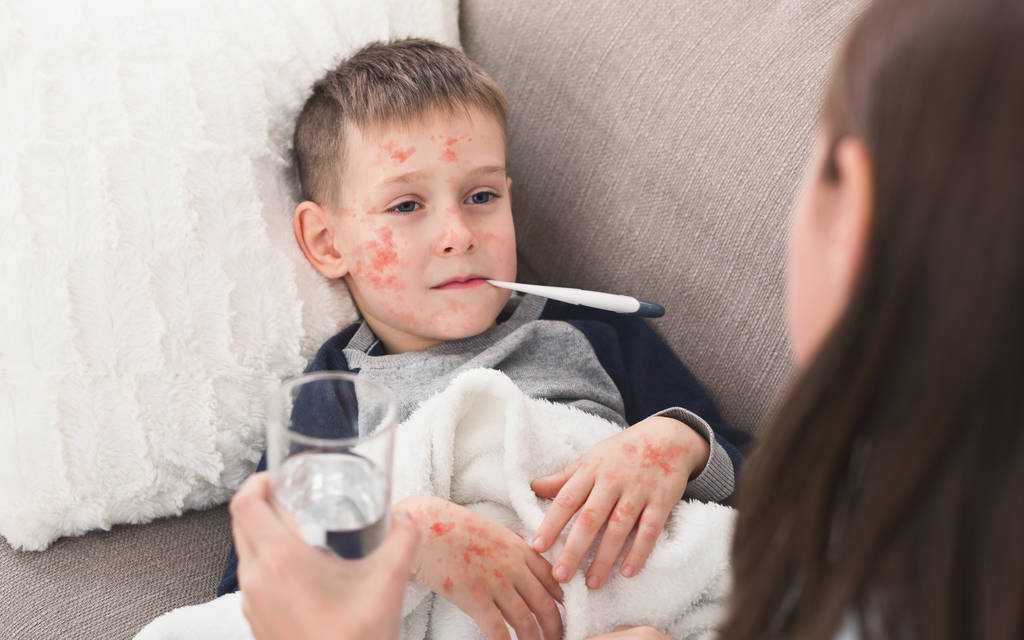
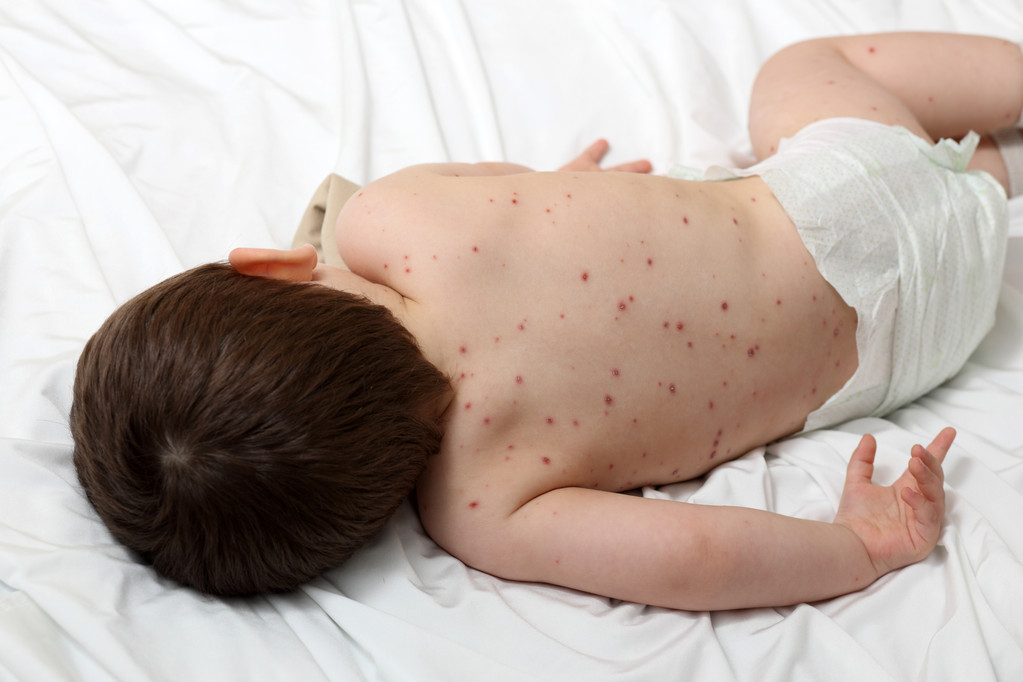
Measles rash usually looks like red, pink, or brown flat spots on the skin. Small raised bumps may also appear over the flat spots. The rash often looks blotchy, and the spots can join together as it spreads.
On white skin, measles rash may look red or pink. On brown or black skin, the rash may look darker, brown, purple, or harder to see. The skin may also feel warm because measles often causes a high fever.
Measles rash usually starts on the face near the hairline. It then spreads down to the neck, chest, back, arms, legs, and feet. This spreading pattern is one of the common signs doctors look for.
Measles rash is usually not the first sign of measles. Fever, cough, runny nose, and red watery eyes often come before the rash.
What are the first symptoms of measles?
The first symptoms of measles can feel like a bad cold or flu. A person may feel tired, weak, and feverish before any rash appears.
Common early symptoms include:
| Early symptom | What it may feel like |
|---|---|
| Fever | Often high and may get worse when the rash appears |
| Cough | Usually dry and strong |
| Runny nose | Similar to a cold |
| Red watery eyes | Eyes may look sore or sensitive to light |
| Tiredness | The person may feel weak and low in energy |
| White spots in the mouth | Small white spots may appear inside the cheeks |
These white spots inside the mouth are called Koplik spots. They can appear before the skin rash. They may look like tiny white dots on a red background.
When does measles rash usually appear?
Measles rash usually appears a few days after the first symptoms begin. In many cases, the rash appears about 3 to 5 days after fever, cough, runny nose, and red eyes start.
The rash often appears around 10 to 14 days after a person has been exposed to measles.
A simple timeline can look like this:
| Time | What may happen |
| 7 to 14 days after exposure | Fever, cough, runny nose, and red watery eyes may begin |
| 2 to 3 days after symptoms begin | White spots may appear inside the mouth |
| 3 to 5 days after symptoms begin | Rash usually starts on the face and hairline |
| Next few days | Rash spreads down the body |
| After several days | Rash begins to fade |
The rash may last around 4 to 7 days. As it fades, the skin may look dry or slightly flaky.
Where does measles rash start?
Measles rash usually starts on the face. It often begins near the hairline, forehead, or behind the ears.
After that, it spreads downward.
The common spreading pattern is:
| Rash area | Usual order |
| Hairline and face | First area |
| Neck | Spreads next |
| Chest and back | Spreads downward |
| Arms and hands | May appear after trunk |
| Legs and feet | Often later |
This head-to-toe spreading pattern can help separate measles rash from some other rashes.
Is measles rash itchy?
Measles rash is usually not very itchy. Some people may feel mild skin discomfort, but severe itching is not the main sign of measles.
If a rash is very itchy, it may be caused by another condition, such as an allergy, chickenpox, eczema, or another viral rash. Still, you should not guess based on itching alone.
If there is fever, cough, runny nose, red eyes, and a spreading rash, call a doctor for advice.
Can adults get measles rash?
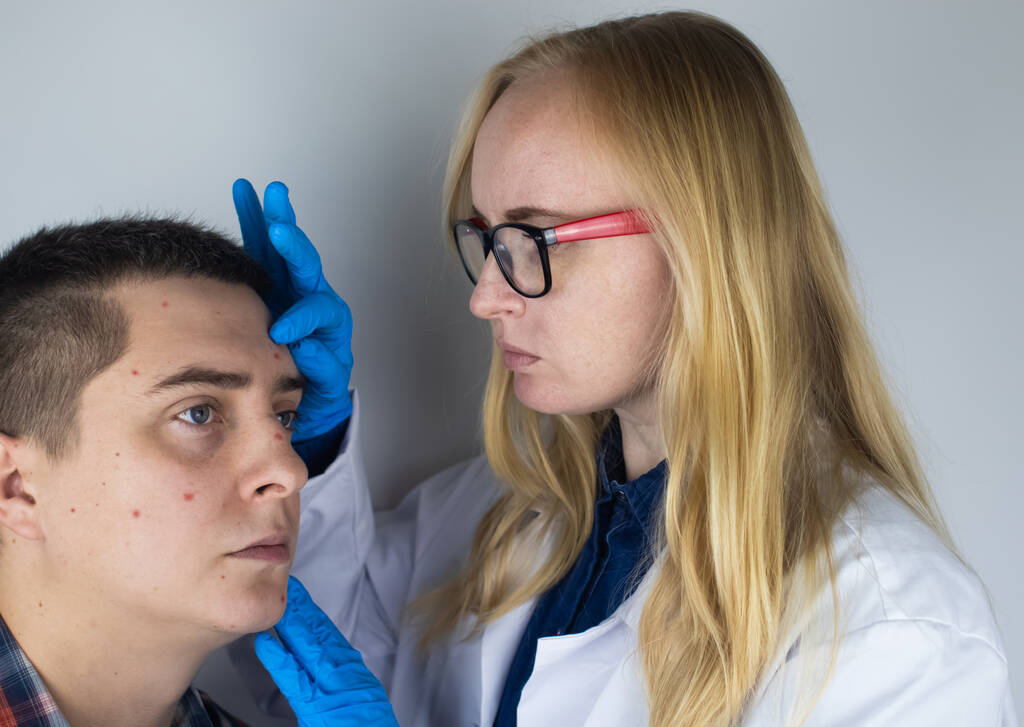
Yes. Adults can get measles rash if they are not protected against measles. Children and adults can both get measles.
Adults may also get serious illness from measles, especially if they are not vaccinated or have a weak immune system.
Adults should take measles symptoms seriously if they have:
Fever
Cough
Runny nose
Red watery eyes
Rash spreading from the face downward
Recent contact with someone who may have measles
Recent travel to an area where measles is spreading
Measles is not only a childhood illness. Anyone who is not immune can catch it.
What should I do if I think I have measles?
If you think you or your child may have measles, call your doctor before visiting the clinic. This is important because measles spreads very easily.
Do not sit in a waiting room without warning the clinic first. The doctor or clinic staff may give you special instructions to help protect other people.
You should call for medical advice if you have:
A rash with fever
Cough, runny nose, and red eyes
White spots inside the mouth
Recent contact with a person who has measles
Recent travel where measles cases were reported
No measles vaccination or unsure vaccination history
The clinic may ask you to wear a mask, wait outside, use a separate entrance, or come at a certain time.
When should I get urgent medical help?
Measles can sometimes lead to serious problems. Some people become very sick and need medical care quickly.
Get urgent medical help if the person has:
Trouble breathing
Chest pain
Severe sleepiness or confusion
A seizure
A very high fever that is not improving
Signs of dehydration, such as very little urine, dry mouth, or no tears when crying
Stiff neck or severe headache
Blue lips or severe weakness
A baby with fever and rash
A pregnant person with possible measles exposure or symptoms
These signs can mean the illness is more serious.
How is measles rash treated?
There is no special medicine that cures measles itself. Treatment mainly helps the body recover and lowers discomfort.
Measles is caused by a virus, so antibiotics do not treat measles unless there is a bacterial infection, such as an ear infection or pneumonia.
A doctor may advise:
Rest
Fluids
Fever medicine such as paracetamol or acetaminophen, if suitable
Keeping the room calm and dim if the eyes are sensitive to light
Checking for breathing problems, dehydration, or other complications
Always follow the medicine instructions on the packet. Do not give aspirin to children unless a doctor says to do so.
What can I do at home to feel better?
Home care can help with comfort, but it does not replace medical advice.
Helpful home care steps include:
| Home care step | Why it helps |
| Rest | Helps the body recover |
| Drink fluids | Helps prevent dehydration |
| Use fever medicine safely | May lower fever and body aches |
| Keep lights soft | Helps if eyes are sore or sensitive |
| Use a clean damp cloth | May help cool the skin |
| Stay away from others | Helps stop measles from spreading |
A child with measles may not want to eat much. Fluids are often more important than food during fever. Offer small sips often.
If the child cannot keep fluids down, has fewer wet diapers, or seems very sleepy, call a doctor.
How long does measles rash last?
Measles rash often lasts several days. It usually fades in the same order it appeared. This means it may fade from the face first and then from the rest of the body.
As the rash fades, the skin may look brownish or dry for a short time. Some people may notice light peeling.
The fever often rises when the rash appears. If fever continues for many days, becomes very high, or returns after improving, medical advice is needed.
Is measles contagious when the rash appears?
Yes. Measles is very contagious. A person with measles can spread it before the rash appears and for several days after the rash starts.
This is why it is important to call a doctor before going to a clinic. A person may spread measles before they know they have it.
Measles can spread through the air when an infected person coughs, sneezes, or breathes near others. It can spread quickly in homes, schools, clinics, and public places.
Who is at risk of measles?
Anyone who is not protected against measles can get it.
People at higher risk include:
Babies too young to be fully vaccinated
Children who missed measles vaccines
Adults who are not vaccinated
People with weak immune systems
Pregnant people who are not immune
People who travel to areas with measles outbreaks
People who live or work in crowded settings
Measles can be more serious in young children, pregnant people, adults, and people with weak immune systems.
What problems can measles cause?
Measles is not just a rash. It can cause serious health problems.
Possible complications include:
| Complication | What it means |
| Ear infection | Can cause ear pain and hearing problems |
| Diarrhea | Can lead to dehydration |
| Pneumonia | A lung infection that can become serious |
| Encephalitis | Swelling of the brain |
| Pregnancy problems | Can increase risk for early birth or low birth weight |
| Severe illness | Some people may need hospital care |
Most people recover, but measles should always be taken seriously.
How can measles be prevented?
Vaccination is the best way to prevent measles. The measles vaccine is often given as part of the MMR vaccine, which protects against measles, mumps, and rubella.
Parents should check their child’s vaccine record. Adults who are unsure about their vaccine history can ask a doctor.
Prevention tips include:
Get vaccinated if you are not protected
Keep children up to date with vaccines
Call a doctor after possible measles exposure
Stay home if measles is suspected
Avoid close contact with babies, pregnant people, and people with weak immune systems if you may have measles
Follow local public health advice during outbreaks
Good handwashing is helpful for many infections, but measles spreads very easily through the air. Vaccination is the strongest protection.
Can measles rash look like other rashes?
Yes. Measles rash can sometimes be confused with other rashes. Other illnesses can also cause fever and rash.
Some conditions that may look similar include:
Chickenpox
Rubella
Roseola
Scarlet fever
Hand, foot, and mouth disease
Allergic rash
Drug reaction
Other viral infections
A doctor may look at the symptoms, rash pattern, mouth spots, vaccine history, travel history, and possible exposure. Testing may be needed to confirm measles.
Simple summary
Measles rash usually starts near the hairline or face and spreads down the body. It may look red, pink, brown, or purple depending on skin tone. It can be flat, raised, blotchy, and joined together in patches.
The rash is usually not the first symptom. Fever, cough, runny nose, red watery eyes, tiredness, and white spots inside the mouth may appear first.
If you think you or your child may have measles, call a doctor before visiting a clinic. Measles spreads easily, and early advice can help protect other people.
Vaccination is the best way to prevent measles.